Yes, foggy double-pane windows can often be fixed without replacing the entire window. When condensation or haze is trapped between the panes, the insulated glass unit has often failed and can frequently be replaced while the existing window frame and sash remain in place.
Foggy windows are more than a cosmetic problem. When moisture appears between two panes of glass and cannot be wiped away from the inside or outside, it is often a sign that the seal around the insulated glass unit has failed.
For homeowners looking for failed window seal repair in Salida, CO, the important question is whether the problem is limited to the glass or whether the entire window has deteriorated.
In many cases, a failed seal does not mean the whole window needs replacement. Judd’s Glass Salida can evaluate the window and determine whether replacing the insulated glass unit is an appropriate solution.
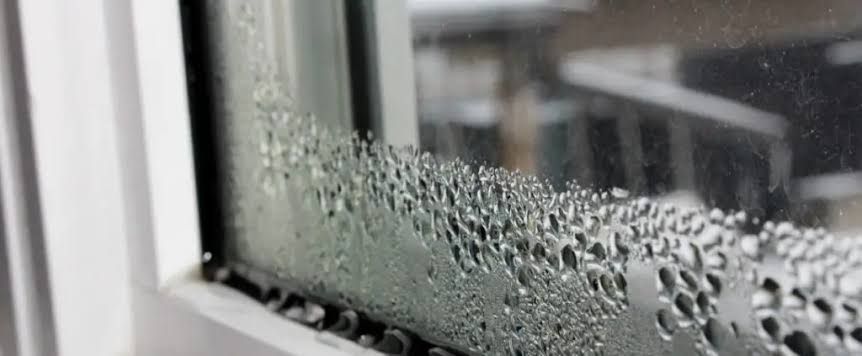
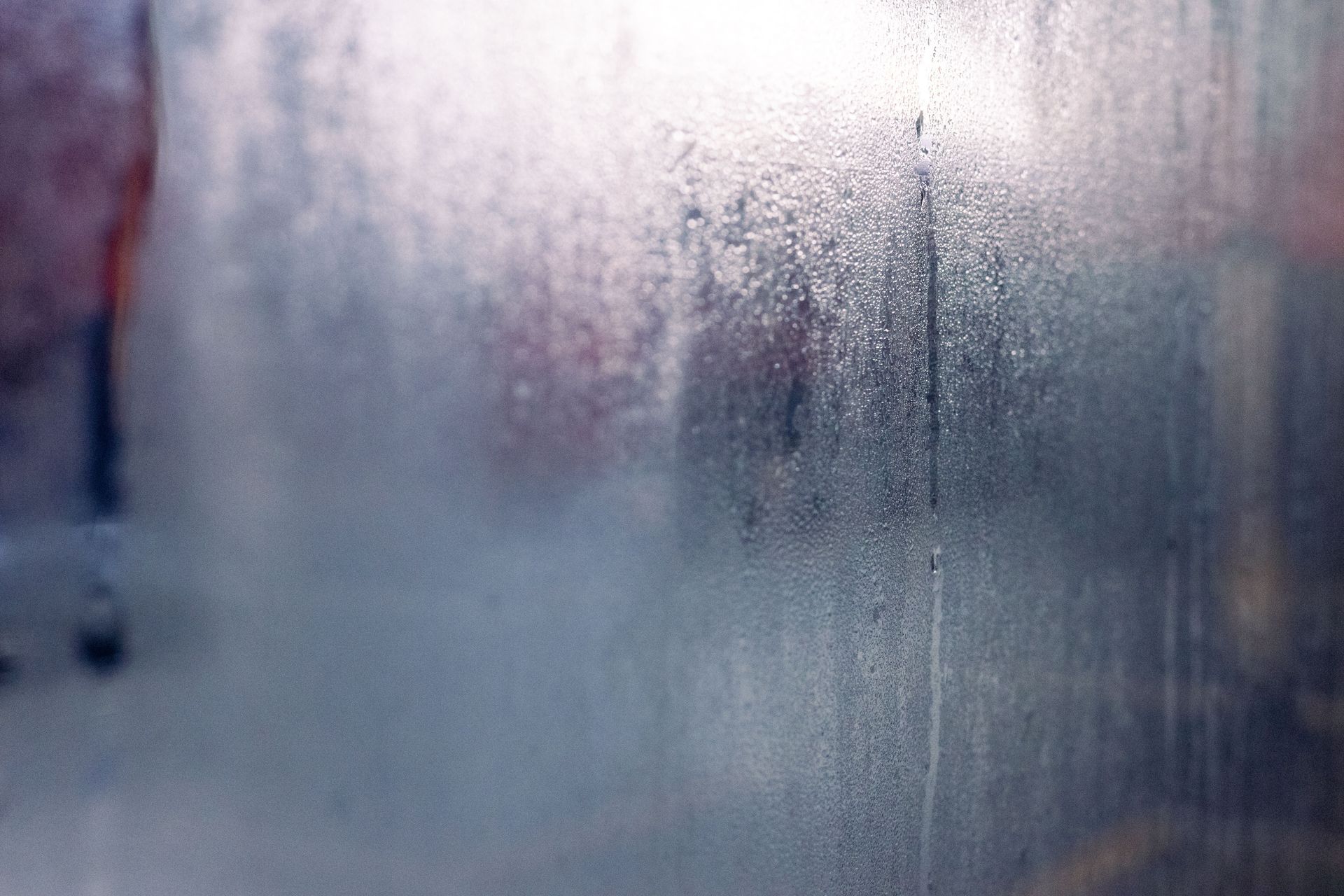
A failed window seal commonly causes moisture, fogging, or cloudiness between the panes of a double pane window.
Common warning signs include:
- Fog trapped between the panes
- Condensation that cannot be wiped away
- Cloudy or hazy glass
- Water droplets inside the glass unit
- White mineral deposits
- Streaking between the panes
- Changes in the appearance of insulated glass
The location of the condensation matters.
Moisture on the room-side surface of the glass does not necessarily indicate seal failure. Indoor humidity and temperature differences can cause temporary condensation that can usually be wiped from the glass.
Condensation trapped between the panes is different.
Because the moisture is inside the sealed glass assembly, homeowners cannot reach it from either side. This is one of the strongest signs that the insulated glass seal may have failed.
Can a Failed Window Seal Actually Be Repaired?
A failed insulated glass seal generally cannot be restored by simply adding sealant around the outside of the existing window.
Double pane windows are manufactured as sealed insulated glass units. Two panes of glass are separated by a spacer and sealed around the perimeter to create an insulating chamber.
Once that sealed assembly fails and moisture enters between the panes, the more practical repair is often to replace the failed insulated glass unit.
This distinction is important.
Failed window seal repair often means replacing the sealed glass unit, not replacing the entire window.
If the existing frame and sash remain in good condition, they may be retained while the failed glass is removed and replaced.
Can Foggy Windows Be Fixed Without Replacing the Whole Window?
Yes. Many foggy windows can be repaired without replacing the complete window.
If the frame is structurally sound, the sash operates properly, and the problem is isolated to the insulated glass, the failed glass unit may be replaced separately.
This approach allows homeowners to address the fogging while keeping usable window components in place.
Glass-only replacement may be appropriate when:
- The frame is solid
- The sash is in good condition
- The window opens and closes properly
- The locks and hardware still function
- There is no significant frame rot
- There is no major water damage
- The primary problem is fogging or seal failure
For homeowners concerned about the cost and disruption of full window replacement, this can be an important option to consider.
Judd’s Glass Salida provides window glass replacement in Salida, CO for homeowners dealing with failed insulated glass and foggy double pane windows.
What Causes Window Seals to Fail in Salida, CO?
Window seals can deteriorate gradually over time.
In Salida, windows may experience strong sunlight, seasonal temperature changes, cold winter conditions, moisture, and repeated heating and cooling cycles.
As glass, spacers, sealants, and surrounding window materials expand and contract over time, stress can develop around the perimeter of an insulated glass unit.
Common factors associated with window seal failure include:
- Age of the insulated glass unit
- Repeated temperature changes
- UV exposure
- Moisture
- Expansion and contraction
- Installation problems
- Manufacturing defects
- Impact or glass damage
- Long-term deterioration of sealing materials
A failed seal does not automatically mean the complete window has failed.
The surrounding frame and sash may still have years of useful service remaining even when the insulated glass unit needs replacement.
Failed Window Seal or Indoor Condensation: How Can You Tell?
Not every foggy window has a failed seal.
Understanding where the condensation appears can help homeowners identify the likely problem.
Condensation on the Inside Surface
Moisture on the interior-facing surface of the glass may be related to indoor humidity.
This condensation can generally be wiped away.
Bathrooms, kitchens, humidifiers, and normal household moisture can contribute to temporary interior condensation.
Condensation on the Exterior Surface
Exterior condensation forms on the outdoor surface of the glass.
It may appear under certain weather conditions and disappear as temperatures change.
This does not necessarily indicate a failed insulated glass seal.
Condensation Between the Panes
Moisture between the panes is different because it is trapped inside the insulated glass unit.
You cannot wipe it away from either side of the window.
If fogging, droplets, haze, or deposits remain between two panes, the insulated glass seal may have failed. That is when professional inspection becomes useful.
Some homeowners encounter services that claim to “defog” failed windows by removing moisture from between the panes.
Removing visible moisture may improve the appearance of the glass, but it is important to understand the underlying problem.
If the sealed insulated glass unit has failed, removing moisture alone does not necessarily restore the original sealed assembly.
Replacing the failed insulated glass unit addresses the damaged glass component itself.
A new sealed unit can replace the failed glass while allowing the existing window frame to remain when it is still suitable for continued use.
For a long-term solution, homeowners should determine whether the problem is cosmetic moisture or an actual failure of the insulated glass unit.
When Should You Replace the Glass Instead of the Entire Window?
Replacing the insulated glass may make sense when the problem is isolated to fogging, condensation, seal failure, or damaged glass.
Consider glass replacement when:
- The frame remains structurally sound
- The sash is not warped
- The window operates correctly
- Hardware is still functional
- There is no serious water damage
- There is no major rot
- The insulated glass unit is the primary failed component
Complete window replacement may be more appropriate when the problems extend beyond the glass.
Examples include:
- Rotten frames
- Severely warped window components
- Significant water intrusion
- Major air leakage around the frame
- Windows that no longer open or close properly
- Structural deterioration
- Multiple components failing at the same time
The goal should be to replace what has actually failed rather than automatically replacing the entire window because the glass has fogged.
Does a Failed Window Seal Affect Energy Efficiency?
A failed window seal can affect the insulating performance of the glass unit.
Double pane windows are designed with a sealed space between two panes of glass. Depending on the window, that space may contain insulating air or gas and may be paired with Low-E glass.
When the perimeter seal fails, the sealed chamber can be compromised.
Replacing the failed insulated glass unit can restore the sealed glass portion of the window.
However, glass replacement does not solve every possible energy-efficiency issue.
Drafts may also come from:
- Gaps around the window frame
- Worn weatherstripping
- Installation problems
- Damaged sash components
- Structural gaps around the opening
That is another reason the entire window should be evaluated before deciding on the best repair.
How Is Failed Window Seal Repair Performed?
The first step is determining whether the fogging is actually caused by insulated glass failure.
Judd’s Glass Salida can inspect the condition of the glass, sash, and frame before recommending a repair.
A typical insulated glass replacement process may include:
1. Inspecting the Window
The glass and surrounding components are examined for signs of seal failure, damage, deterioration, or structural problems.
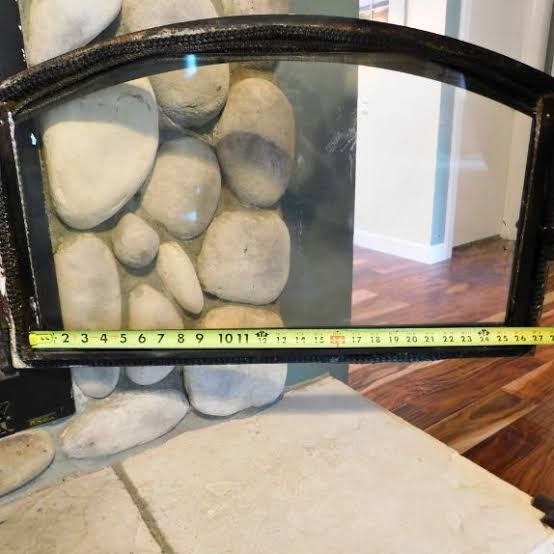
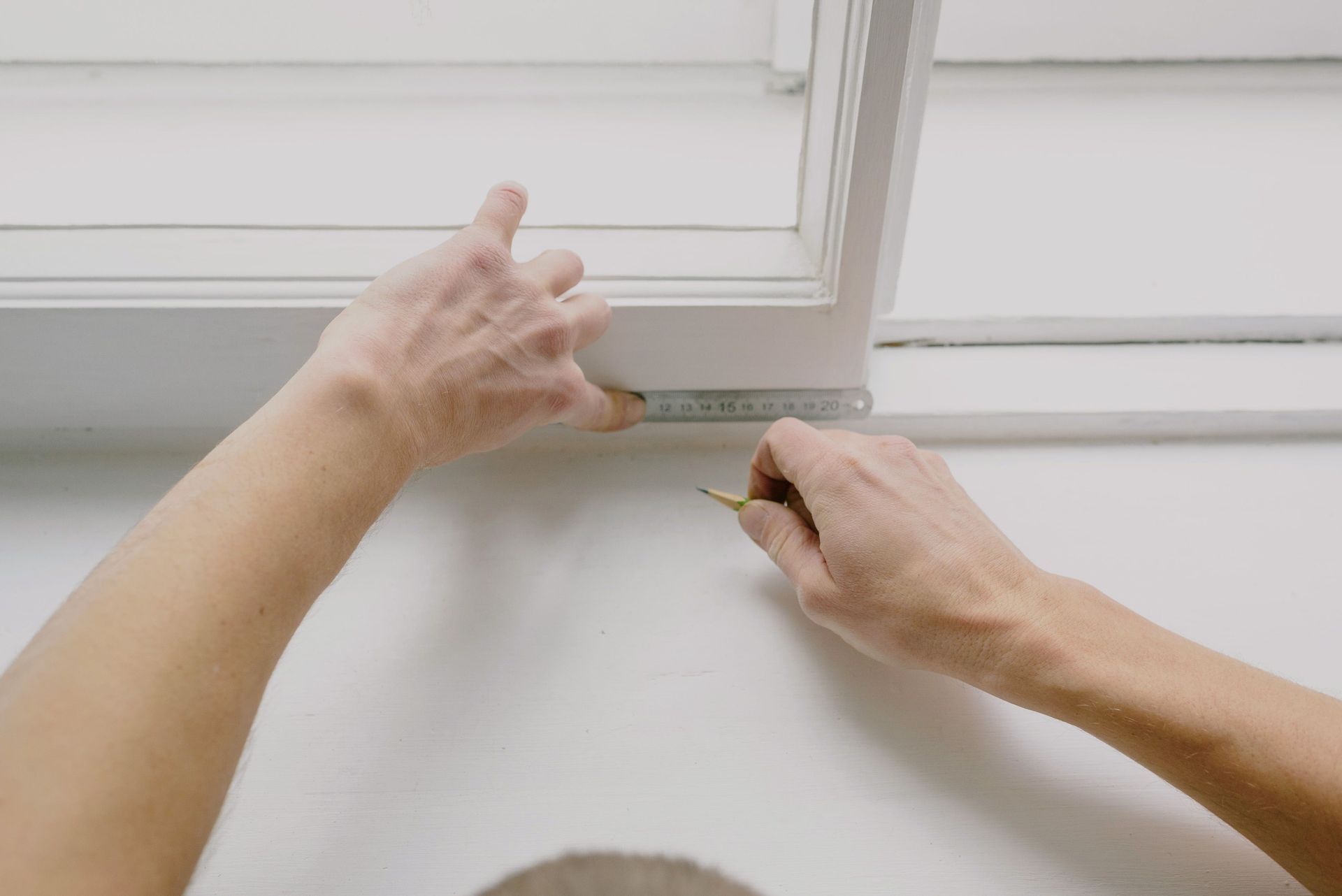
2. Measuring the Existing Glass
The insulated glass unit is measured so the replacement can fit the existing sash or frame correctly.
3. Matching the Glass
Glass thickness, dimensions, coatings, and other characteristics may need to be matched to the existing window.
4. Removing the Failed Insulated Glass Unit
The failed glass is carefully removed while retaining the usable window components when possible.
5. Installing the Replacement Glass
A new sealed insulated glass unit is installed in the existing window.
6. Checking Window Operation
The completed window should be checked to ensure that the glass is secure and the sash continues to operate correctly.
The exact process varies according to the design and condition of the window.
Can Low-E or Insulated Glass Be Replaced?
In many cases, replacement insulated glass can be ordered to match important characteristics of the existing window.
Depending on the original window, considerations may include:
- Glass thickness
- Overall insulated glass thickness
- Spacer dimensions
- Low-E coatings
- Tempered glass requirements
- Tint
- Insulating gas
- Size and shape
Matching the replacement configuration can help maintain a consistent appearance and appropriate performance.
Not every window uses the same glass system, which is why accurate measurement and identification are important.
Should You Check Your Window Warranty First?
Yes, If you know the manufacturer of the original window and approximately when it was installed, it may be worth checking the warranty before paying for replacement.
Some window manufacturers provide coverage for insulated glass seal failure for a specific period.
Warranty terms vary significantly, so homeowners should check the original manufacturer's documentation rather than assuming the repair is covered.
Even when the glass itself is covered, labor or installation may be handled separately depending on the warranty.
Can You Keep Using a Window With a Failed Seal?
A foggy double pane window does not always require emergency replacement, but the failed seal usually will not repair itself. Over time, moisture between the panes can lead to more visible fogging, staining, mineral deposits, and reduced clarity.
The glass may continue functioning as a physical barrier, but the sealed insulated assembly is no longer operating exactly as intended. Having the window evaluated allows homeowners to determine whether insulated glass replacement is worthwhile before additional deterioration develops.
Failed Window Seals- FAQ's
Can a failed window seal be repaired?
A failed double-pane window seal is generally repaired by replacing the failed insulated glass unit rather than simply resealing the existing panes. If the frame and sash are still in good condition, the complete window may not need replacement.
Can foggy double-pane windows be fixed?
Yes. If the fog is caused by moisture trapped between the panes, the failed insulated glass unit can often be replaced while the existing window frame remains in place.
Does condensation between window panes mean the seal is broken?
Condensation trapped between the panes commonly indicates that the seal around an insulated glass unit has failed. Condensation on the interior or exterior surface of the glass does not necessarily indicate seal failure.
Do you have to replace the entire window when the seal fails?
No. A failed glass seal does not automatically require complete window replacement. If the frame and sash are structurally sound, replacing the insulated glass unit may solve the problem.
Can you reseal a double-pane window without replacing the glass?
Once moisture has entered a failed insulated glass unit, applying sealant around the exterior does not usually restore the original sealed chamber. Replacement of the failed insulated glass unit is often the more complete repair.
Is it worth replacing the glass in a foggy window?
Glass replacement may be worthwhile when the window frame and sash are still in good condition. It allows the failed insulated glass unit to be replaced without removing a usable window frame.
How do I know if window fog is inside the glass?
Try cleaning both accessible surfaces of the window. If the haze, droplets, or streaking remain and appear to be between the panes, the moisture is likely inside the insulated glass unit.
Need Window Repair or Replacement in Salida CO?
If your windows are drafty, foggy, difficult to open, or showing signs of age, Judd’s Glass in Salida can help you determine whether window repair or replacement makes the most sense.
We provide professional window repair, window glass replacement, and replacement window services for homeowners in Salida, CO.
Contact Judd’s Glass in Salida today at 719-505-7023 to schedule an evaluation and find the right solution for your Salida home